>Much more appealing is passive sonar, which works by listening for the sounds naturally created by underwater vehicles.
Experts in marine biology. Reminds me of the night vision camera the british military were showing off on BBC Countryfile program. Who would have thought the military are experts in biology, but probably explains why the brits took off sunglasses in Iraq when talking to people, but the US didnt. You should see the british scarecrows as well!
> Instead, the battle of submarine silence has mostly revolved around obscure technical problems of fluid dynamics, since one of the loudest noises made by submarines is the cavitation around the screw.
Dont know if these toroidal propellers scale up to submarine sizes, they keep them hidden under an large oily rag along with the front of the subs.
> did the Navy withhold information on the detection from searchers out of concern for secrecy
Location of sensors maybe, after all something like the titanic will attract treasure hunters, why wouldnt interested govt's deploy remote sensors to detect who is in the area? Submarines make it easy for crew to be kept in the dark on missions as not many can use the periscope or other sensors.
I read somewhere once that a sensor, sonar or hydrophone, in UK waters could detect the sounds come from a New York harbour, which gives an insight into the distance sounds can travel underwater, but considering all the noises that can be detected, having sound processing abilities, a little bit better than something like Dolby Noise Reduction, is the key part of the underwater arms race.
> I read somewhere once that a sensor, sonar or hydrophone, in UK waters could detect the sounds come from a New York harbour, which gives an insight into the distance sounds can travel underwater, but considering all the noises that can be detected, having sound processing abilities, a little bit better than something like Dolby Noise Reduction, is the key part of the underwater arms race.
I didn't really get into this in the article but there's a phenomenon called SOFAR (I think this does stand for something but the acronym is sort of a joke). It's basically a specific static water pressure (and thus depth) in which sound "ducts" sort of like how HF radio can duct in the ionosphere. As I understand it, it's not at all unreasonable for a sound in the SOFAR channel to go clear around the world. I know there are cases where hydrophones have recorded a particularly loud sound multiple times because of it coming "the long way around" as well as echo effects. Some of these sounds have been things like "perhaps the loudest sound ever produced" and are attributed to seismic phenomenon, but there are a lot of strange things going on in the ocean and hydrophones continue to provide plenty of questions for marine researchers to answer. And, of course, at least some of the IUSS sensors are very intentionally placed within the SOFAR channel to capitalize on this effect.
> I read somewhere once that a sensor, sonar or hydrophone, in UK waters could detect the sounds come from a New York harbour, which gives an insight into the distance sounds can travel underwater, but considering all the noises that can be detected, having sound processing abilities, a little bit better than something like Dolby Noise Reduction, is the key part of the underwater arms race.
Yeah, that comment fascinated me too. I can only say that the character of British scarecrows is… very different from those in the US, although I can’t articulate one reason exactly why: https://www.google.com/search?&q=british+scarecrow&


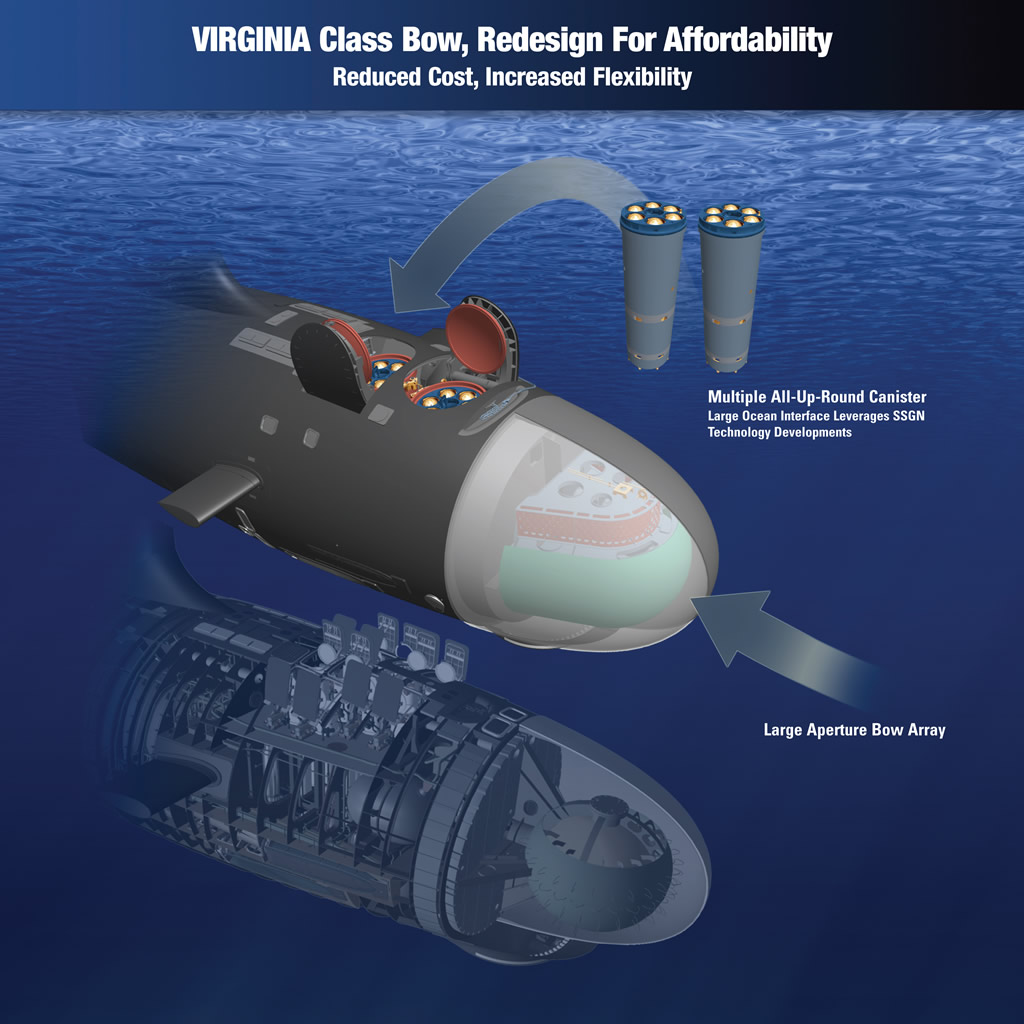

Experts in marine biology. Reminds me of the night vision camera the british military were showing off on BBC Countryfile program. Who would have thought the military are experts in biology, but probably explains why the brits took off sunglasses in Iraq when talking to people, but the US didnt. You should see the british scarecrows as well!
> Instead, the battle of submarine silence has mostly revolved around obscure technical problems of fluid dynamics, since one of the loudest noises made by submarines is the cavitation around the screw.
https://en.wikipedia.org/wiki/Toroidal_propeller Difference in cavitation. https://youtu.be/k0yzBTTqfzs?t=436
Dont know if these toroidal propellers scale up to submarine sizes, they keep them hidden under an large oily rag along with the front of the subs.
> did the Navy withhold information on the detection from searchers out of concern for secrecy
Location of sensors maybe, after all something like the titanic will attract treasure hunters, why wouldnt interested govt's deploy remote sensors to detect who is in the area? Submarines make it easy for crew to be kept in the dark on missions as not many can use the periscope or other sensors.
I read somewhere once that a sensor, sonar or hydrophone, in UK waters could detect the sounds come from a New York harbour, which gives an insight into the distance sounds can travel underwater, but considering all the noises that can be detected, having sound processing abilities, a little bit better than something like Dolby Noise Reduction, is the key part of the underwater arms race.
https://www.theguardian.com/environment/2023/may/15/listen-t...
https://news.sky.com/story/titanic-sub-search-what-are-the-s...